

Quick answer
Noosa Everglades weather follows a subtropical pattern with warm summers averaging 28°C and mild winters around 21°C. The region experiences distinct wet and dry seasons: December through March brings the highest rainfall and humidity, while May through September offers the driest conditions with calm mornings ideal for mirror-like reflections on the waterways. Morning temperatures between 15–25°C during the cooler months create optimal conditions for paddling and wildlife activity.
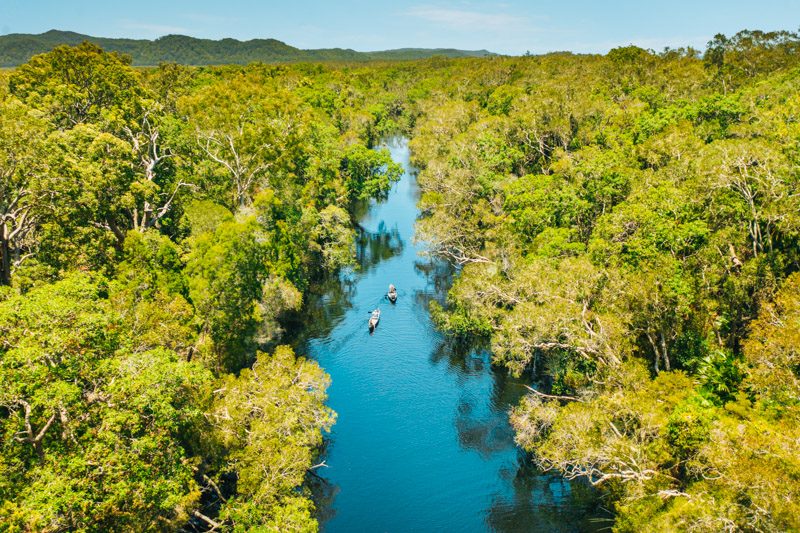
The Noosa Everglades receive approximately 1,600 millimetres of rain annually, concentrated heavily between December and March when afternoon thunderstorms develop over the Cooloola hinterland. These wet-season months bring humidity levels above 75 percent and water temperatures that reach 26°C, creating lush canopy growth but occasional access challenges during flood events. The trade-off is vivid green foliage and active birdlife along the tributaries. Dry-season months from May through September deliver the most reliable paddling windows. Morning air temperatures hover between 15–20°C before climbing to 21–24°C by midday, and rainfall drops to 50–80 millimetres per month. These cooler mornings produce the glassy water surface that photographers seek — wind speeds typically remain below 10 kilometres per hour until late morning, when sea breezes push inland from the coast. The calm-water window generally lasts from dawn until 10:00, after which thermal activity increases and reflections break up. Climate patterns within Great Sandy National Park create microclimates along the waterway system. The tea-coloured water — stained by tannins from decomposing paperbarks and sedges — absorbs heat differently than coastal waters, moderating temperature swings. Canopy cover along the narrower tributaries provides natural shade that keeps paddlers comfortable even during the warmer transition months of October and April, when temperatures climb but humidity remains moderate. Seasonal weather determines not just comfort but ecological activity. Winter months bring migratory wading birds to the shallow flats at Elanda Point, while summer heat drives reptiles and amphibians to the water's edge. Understanding noosa everglades weather means recognizing that each season offers a different version of the landscape — the mirror calm of a June morning contrasts sharply with the verdant intensity of a February afternoon, yet both reveal essential characteristics of this blackwater system.
“Morning air temperatures between 15–20°C and calm winds below 10 kilometres per hour create the mirror-like reflections that define the Everglades experience.”
Understanding Noosa Everglades Weather and Best Times to Visit
The Noosa Everglades are best experienced between April and October when cooler, drier conditions prevail. To achieve the signature mirror-like water reflections, visitors should plan their arrival between 06:00–10:00.
Autumn/Spring (Apr–May, Sept–Oct)
ModerateDry, mild, 18°C–25°C
These months offer the most stable weather and comfortable temperatures for paddling.
Summer (Dec–Feb)
HighHumid, rainy, 22°C–30°C
Expect frequent afternoon thunderstorms and higher humidity levels during this season.
Winter (Jun–Aug)
ModerateCool, clear, 15°C–22°C
Clear skies are common, though mornings require layers for the cooler temperatures.
Daily (06:00–10:00)
Low to Moderate—
Calm mornings provide the best mirror reflections on the water and ideal photography conditions.
Verdict: Plan your visit for April or October, arriving between 06:00–10:00 to ensure calm water conditions and comfortable temperatures.
Operating Hours for Noosa Everglades Weather Planning
The Great Sandy National Park, which contains the Noosa Everglades, remains accessible to visitors throughout the week. This 24-hour access allows for early arrivals to take advantage of favorable weather conditions.
| Monday | 00:00–23:59 | |
|---|---|---|
| Tuesday | 00:00–23:59 | |
| Wednesday | 00:00–23:59 | |
| Thursday | 00:00–23:59 | |
| Friday | 00:00–23:59 | |
| Saturday | 00:00–23:59 | |
| Sunday | 00:00–23:59 |
Directions for Navigating to the Noosa Everglades
The Noosa Everglades are located within the Cooloola section of Great Sandy National Park, accessible primarily by vehicle via Elanda Point or Boreen Point. These remote access points serve as the main gateways for visitors entering the waterway system.
Follow the Bruce Highway and take the exit toward Tewantin/Noosa; proceed through Tewantin toward Boreen Point via Moorindil Street.
From Elanda Point, follow Elanda Point Road until reaching the Great Sandy National Park entrance.
Travel via private transport service from Noosa Heads or Tewantin directly to the Elanda Point or Boreen Point access areas.
Essential Checklist for Noosa Everglades Weather Conditions
The Noosa Everglades' exposed waterways and subtropical climate demand specific gear to manage sun, heat, and sudden weather shifts.
-
Pack broad-spectrum SPF 50+ sunscreen — Water reflects UV rays, doubling sun exposure on the everglades.
-
Bring a wide-brimmed hat and sunglasses — Minimal shade exists along open waterways and mangrove channels.
-
Wear lightweight, long-sleeved clothing — Fabric protection reduces sunburn risk during extended kayak tours.
-
Carry 2-3 litres of water per person — High humidity and physical paddling increase dehydration rates quickly.
-
Pack a waterproof bag for electronics — Sudden rain showers and paddle splash can damage unprotected devices.
-
Bring insect repellent with DEET — Mosquitoes and midges are active near water, especially at dawn.
-
Check weather forecasts 24 hours before departure — Afternoon storms can develop rapidly in Queensland's subtropical summer.
Check availability
Frequently asked questions about noosa everglades weather
Everything you need to know about noosa everglades weather